When it comes to enhancing the aesthetic appeal of your home, the choice of furniture plays a crucial role. One often overlooked component is the bench legs. Renowned furniture designer, Sarah Johnson, once said, “The right bench legs can elevate a simple piece into a statement of style.” This idea underscores the importance of selecting stylish and functional bench legs for your interiors.
In today's market, bench legs come in various designs, materials, and styles. From sleek metal legs to rustic wooden ones, the options are almost limitless. Each choice adds a unique character to your furniture. However, choosing the wrong style can compromise the overall look of your space. You want your bench to complement the existing décor while providing durability and stability.
Not everyone considers the influence of bench legs on their home’s ambiance. The right choice requires thoughtful consideration. Often, it’s easy to focus solely on the seat or the tabletop. Yet, the bench legs deserve equal attention. With a blend of creativity and functionality, the right pair of bench legs can transform your furniture into a captivating focal point.
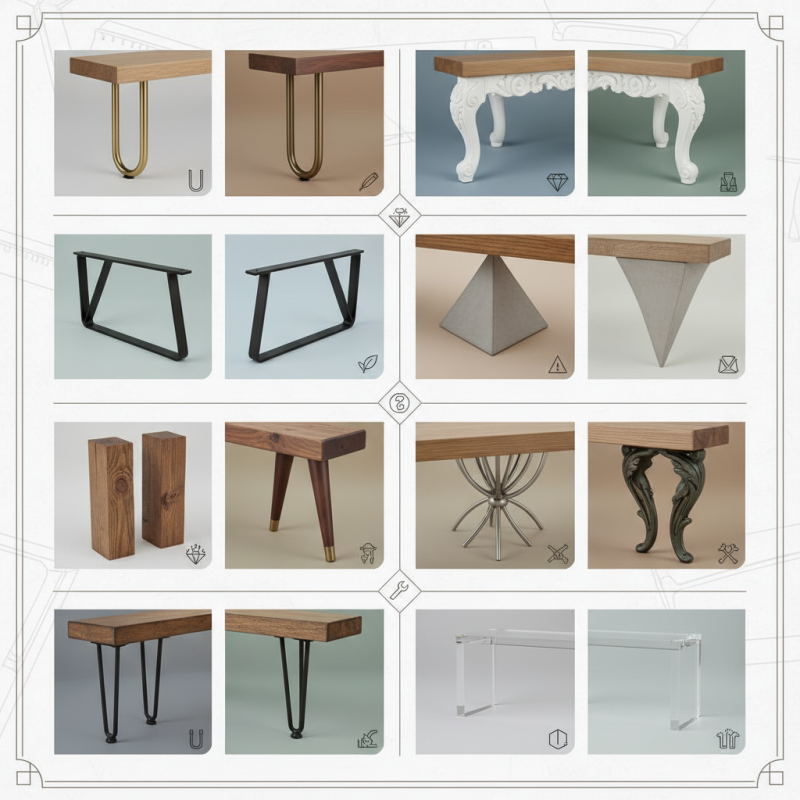
Top 10 Stylish Bench Legs: An Overview of Aesthetic Designs
Stylish bench legs can elevate your home furniture, providing both form and function. Many designs can complement diverse aesthetics, from industrial chic to rustic elegance. For example, metal legs often bring a contemporary edge. They are sleek and can support heavier tops. Wooden legs offer warmth and a natural finish. They can also be carved for intricate designs, enhancing visual appeal.
Exploring more unique styles, sculptural legs are gaining popularity. These legs can mimic natural forms, adding an artistic touch. They draw attention and become conversation starters. While eye-catching, they may not always fit under traditional tables. Achieving balance in style and utility is essential. Consider practicality when selecting designs. Some legs may not provide enough stability or support for heavier benches.
Another trend involves mixed materials. Combining wood and metal can achieve an appealing contrast. However, this approach requires careful consideration. The aesthetic must match the overall décor of the room. Color coordination and shape compatibility are important. Keep in mind that while experimentation is encouraged, not all combinations will resonate well. A thoughtful design process leads to a satisfactory result.
Material Analysis: Durability and Style of Wood, Metal, and Acrylic Legs
When choosing bench legs, material plays a crucial role. Wooden legs can bring warmth and character to your space. They often have unique grain patterns that add charm. However, they may be susceptible to scratches and water damage. Care is required to maintain their beauty over time.
Metal legs offer a modern and industrial look. They are sturdy and highly durable, making them ideal for high-traffic areas. However, they can also be cold to the touch and may not fit every style. Consider the surrounding décor before deciding. An acrylic option shines with its sleek, transparent design. Acrylic legs can visually lighten a bench while providing stability. Nonetheless, they can scratch easily, so careful handling is essential.
Selecting the right material depends on your needs and aesthetic preferences. Each option has pros and cons that deserve attention. The right bench legs can transform your furniture but choosing them requires thoughtful consideration.
Ergonomics of Bench Legs: Height and Stability Considerations
When considering bench legs for your home, height and stability are crucial factors. The right height ensures comfort while sitting. Most benches range from 16 to 18 inches in height. This aligns well with standard seat heights. If a bench is too high or low, it can create discomfort. Pay attention to your own needs and the users.
Stability plays an essential role in the bench's functionality. Look for legs that are sturdy and provide a solid foundation. A well-designed leg can prevent wobbling. This not only enhances safety but also improves aesthetics. Some designs feature wider bases, enhancing stability further. Consider the weight capacity as well.
Material choices can influence both height adjustment and stability. Metal legs often offer more strength compared to wood. However, wood provides a warm, inviting look. Finding a balance can take time. Reflect on how you plan to use the bench in your space. Test different heights and styles to find what works best for you.
Trends in Bench Leg Designs: From Minimalism to Industrial Styles
The world of bench leg designs has evolved significantly, showcasing a blend of styles that cater to diverse tastes. Minimalism continues to gain traction, characterized by clean lines and simple forms. A minimalist bench leg often features sleek metal or wooden structures that can seamlessly fit into various interiors. These designs emphasize functionality, making a statement without overwhelming the space.
On the other hand, industrial styles bring a rugged charm to home furniture. Bench legs made from reclaimed wood and wrought iron evoke a sense of history and craftsmanship. This style often embraces imperfections, celebrating the uniqueness of materials used. The rough textures and bold silhouettes can act as stunning focal points in any room, inviting conversations and admiration.
Exploring these trends reveals the importance of personal style and authenticity. As design enthusiasts, we must reflect on what truly resonates with us. Sometimes, a balance between modernism and rustic charm can create an inviting atmosphere. The journey of finding the perfect bench leg design may highlight the contradictions we face in decorating our homes. Each choice reflects not just trends but our evolving preferences.
Cost Analysis: Budgeting for Quality Bench Legs in Home Furniture
When considering stylish bench legs for your furniture, budgeting is crucial. Quality bench legs are an investment. Prices can vary significantly based on material, design, and brand. For instance, solid wood legs often cost more than metal or plastic options. However, they usually offer longevity and a classic aesthetic. As you plan your budget, think about your overall design vision for your space.
Keep in mind that cheaper options might save you money upfront but may lack durability. Frequently, low-cost legs need to be replaced sooner. Analyze potential costs for different materials and styles. A metal bench leg can be sleek and modern. Yet, a wooden leg might provide warmth and character. Having both options allows you to compare and reflect on your choices.
Additionally, consider the functionality of the legs. Do they suit your bench's intended use? Sturdier legs may be needed for heavy seating, while lighter designs suit occasional use. Remember, balancing style and function is essential. Investing a little more now could prevent extra expenses later. Strive for the right blend of aesthetics and practicality in your final choice.
FAQS
: Stylish bench legs enhance home furniture, providing both aesthetic appeal and functional support.
Common materials include wood, metal, and acrylic. Each offers unique looks and durability.
Wood legs add warmth and character. They show unique grain patterns, enhancing visual interest.
Yes, metal legs are sturdy and ideal for high-traffic areas. They can support heavier tops reliably.
Sculptural legs mimic natural forms and add artistic flair. They can be eye-catching but may lack stability.
Yes, mixing wood and metal creates appealing contrasts. However, ensure they match your room's décor.
Wooden legs need care to prevent scratches and water damage. Regular maintenance keeps them beautiful.
Acrylic legs are sleek and can lighten visuals. However, they scratch easily and require careful handling.
Not all leg styles fit well under traditional tables. Some may need more clearance than others.
Consider stability, material durability, and how the style fits with your overall home décor.
Conclusion
This article explores the top 10 stylish bench legs, providing an overview of various aesthetic designs that can enhance home furniture. It emphasizes the importance of selecting the right material—whether wood, metal, or acrylic—for both durability and style. Additionally, it discusses ergonomic considerations, focusing on height and stability to ensure comfort and functionality in bench design.
The article also highlights current trends in bench leg designs, ranging from minimalist to industrial styles, catering to diverse tastes and interior aesthetics. Furthermore, a cost analysis is presented, guiding readers on how to budget for quality bench legs that meet their furniture needs without compromising style or stability. Overall, the piece serves as a comprehensive guide for anyone looking to elevate their home's furniture with stylish and practical bench legs.

 Daxinghong Hardware